

We are a team of researchers, exercise physiologists, a physician, registered dietitians, speech-language pathologists, and Down syndrome advocates based at the University of North Carolina – Chapel Hill, Duke University, University of Nebraska – Omaha, and non-profit organizations across the country.

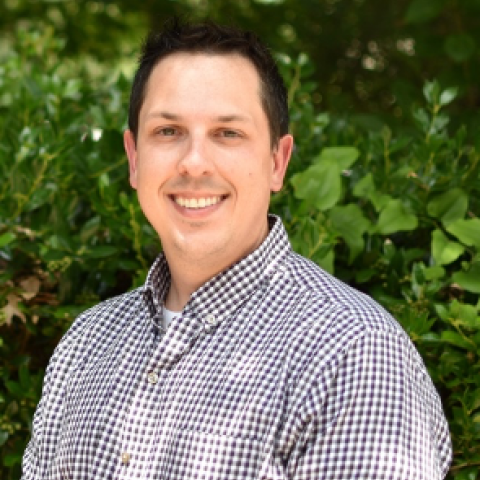
Erik Willis, PhD, MPH, FACSM
UNC Chapel Hill
Director, Principal Investigator
Dr. Willis’ work aims to understand the complex relationships between physical activity and nutrition, and their impact on health and chronic diseases across diverse populations, including typically developing children, adults, and individuals with intellectual and developmental disabilities.
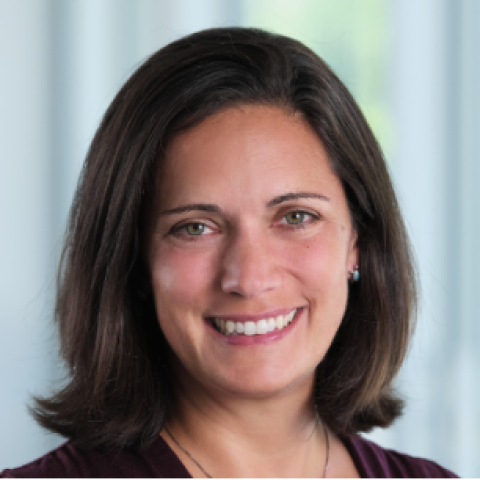
Sarah Armstrong, MD
Duke University
Co-Investigator
Dr. Armstrong's clinical and research interests include pediatric nutrition and the treatment of childhood and adolescent obesity, along with related health problems. As director of the Duke Children's Healthy Lifestyles Program, Dr. Armstrong oversees a cohort of over 3000 children and teenagers. She is a member of the Executive Committee for the American Academy of Pediatrics Section on Obesity. Dr. Armstrong's research focuses on leveraging innovative strategies to improve children's nutrition and activity, including mobile health interventions, community partnerships, and medication or surgical approaches.
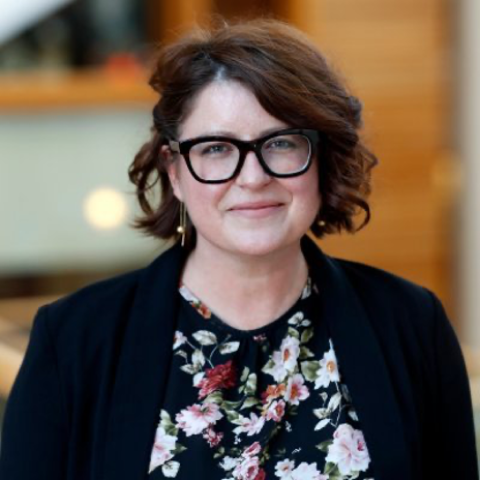
Heather Wasser, PhD, MPH, RD
UNC Chapel Hill
Co-Investigator
Dr. Wasser is a registered dietitian with 20 years of experience in developing evidence-based nutrition programs for families and caregivers of infants, toddlers, and preschoolers. She finds purpose in helping caregivers access credible, nonjudgmental information on how to feed young children in ways that increase caregiver confidence, reduce stress and bring joy to mealtime.
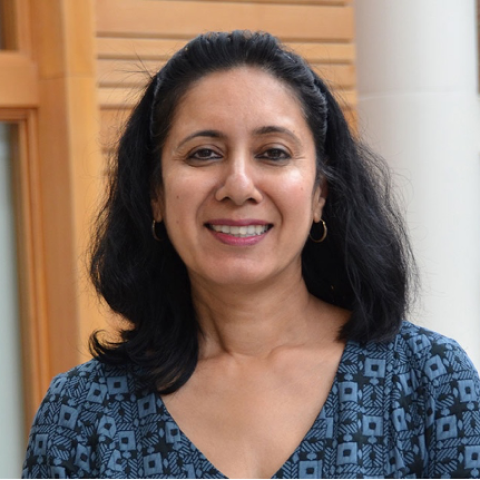
Seema Agrawal, EdD, MS, DipSAD RD, LDN
UNC Chapel Hill
Co-Investigator
Seema Agrawal has worked as a registered dietitian for over 30 years. She particularly enjoys working with children with disabilities and their families. She is now an associate professor at the University of North Carolina at Chapel Hill in the department of Nutrition and focuses her research on vulnerable populations.
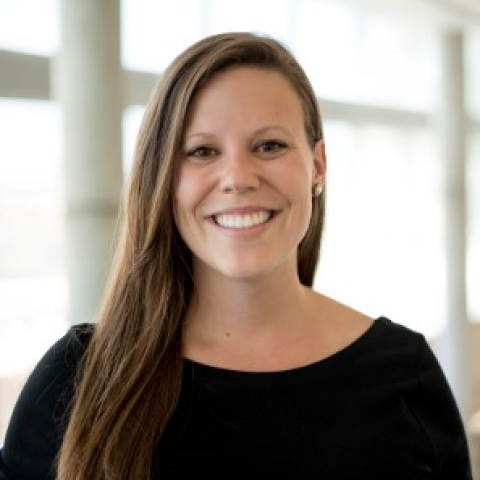
Michaela Schenkelberg, PhD, MPH
University of Nebraska, Omaha
Co-Investigator
Dr. Schenkelberg's work is focused on promoting health and physical activity for individuals with and without intellectual and developmental disabilities. She is especially passionate about supporting children in healthy growth and development beginning in early childhood.
Renee Moore, PhD
Drexel University
Co-Investigator
Dr. Reneé Moore joined Drexel University in 2021 as a Research Professor in Epidemiology and Biostatistics and Director of the Biostatistics Scientific Collaboration Center at the Dornsife School of Public Health (DSPH). In 2023, she was appointed Associate Dean for Diversity, Equity, Inclusion, and Belonging at DSPH. With over 20 years of experience as a biostatistician and a strong focus on equity, Dr. Moore brings her expertise in interdisciplinary research to her role on the HomeGrown project, which assesses the impact of a family-based lifestyle intervention aimed at supporting healthy development in young children with Down Syndrome.
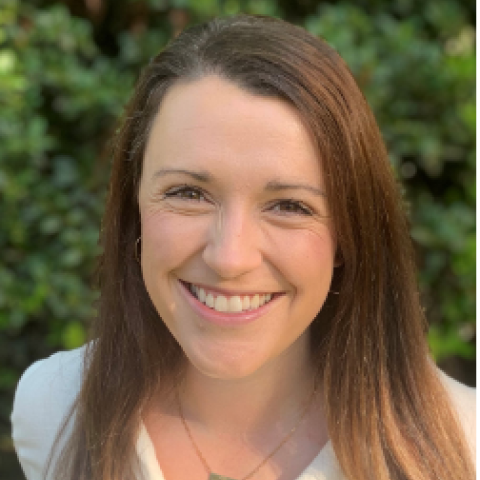
Emmy Clarke, MA, RD, LDN
UNC Chapel Hill
Manager of Intervention & Education
Emmy is a registered dietitian with a Master of Arts in health education. She’s always looking for creative ways to make evidence-based health practices realistic and fun for families. She leads the development of educational resources and intervention materials for HomeGrown.
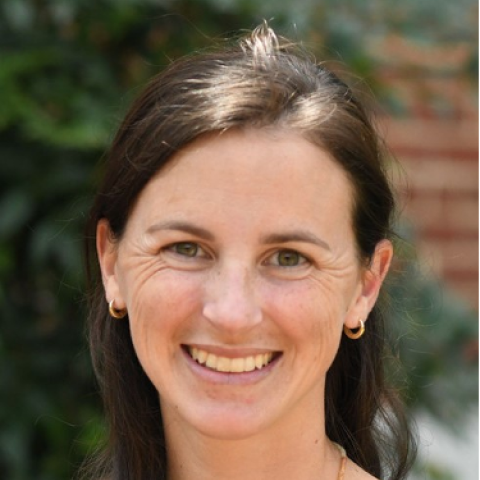
Kelsey Thompson, PhD, CCC-SLP
UNC Chapel Hill
Research Personnel
Dr. Thompson is a speech language pathologist whose clinical and research work has focused on the introduction to solid foods. The goal of her work is to support families of infants and toddlers with developmental and medical diagnoses in achieving positive mealtime experiences and preventing long-term feeding problems.
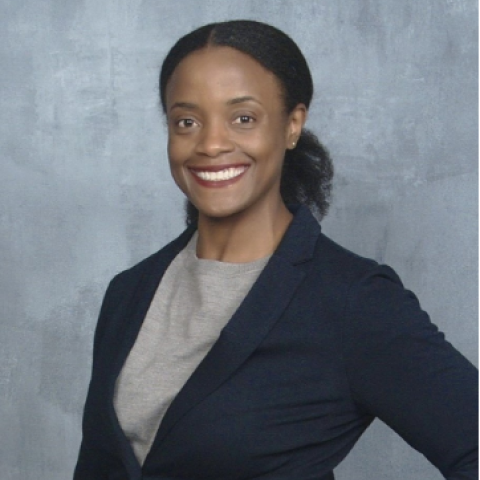
Phoebe Tchoua
UNC Chapel Hill
Research Personnel
Dr. Tchoua is a Postdoctoral Research Associate. Her research interests are in nutrition, physical activity, and SDOH (social determinants of health) in children and families. A main goal of her research is to partner with the community, learn about their needs, and disseminate and implement the most applicable tools to help them live joyful disease-free lives. She has over a decade of work experience in government, non-profit, and academia, and plans to integrate this background in her work with Homegrown.
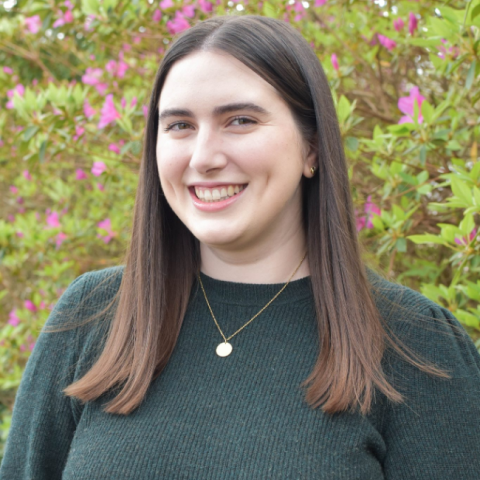
Julie Franca
UNC Chapel Hill
Communications Specialist
Julie is a communications specialist whose work focuses on sharing health information and research with families, early childhood educators, and researchers. The goal of her work is to make evidence-based information accessible and engaging for all audiences and empower communities to implement healthy habits and practices.
Scott Quaife
Down Syndrome Innovations, Mission, Kansas
Adaptive Physical Activity Consultant
Amy Volkman, RDN, LMT, LD
University of Nebraska Medical Center
Nutrition Consultant
Edison Mcdonald
The Arc of Nebraska
Down Syndrome Community & Advocacy Consultant
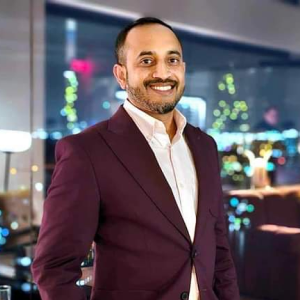
Shamim Ashrafi
CEO
InNeed Intelligent Cloud
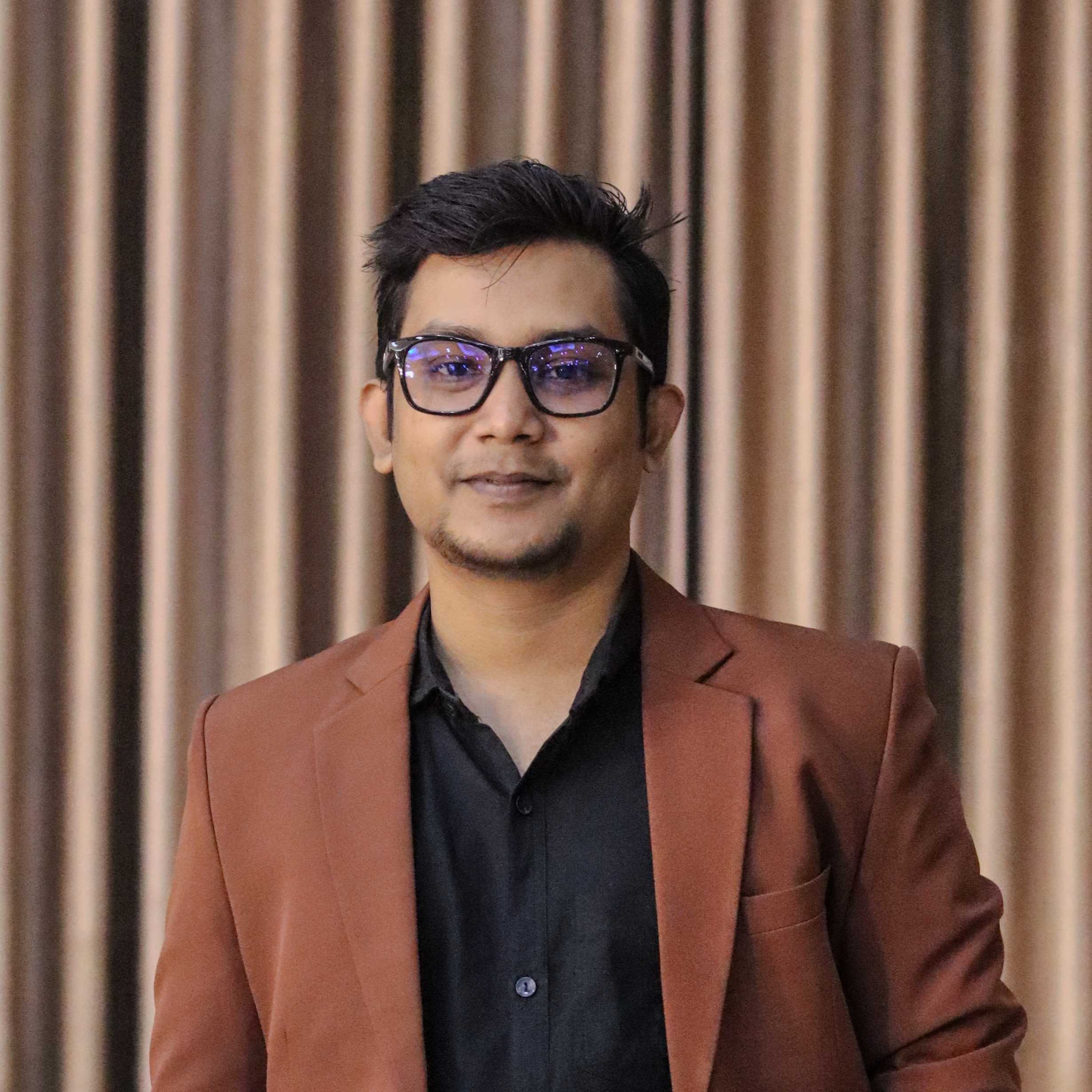
Shaman Sharif
Senior Software Engineer
InNeed Intelligent Cloud

Shadman I. Chowdhury
Cloud Business Analyst
InNeed Intelligent Cloud